Exploring Creativity: Insights from Bus Stop Poems
- bsp962
- May 6
- 4 min read
In the hustle and bustle of daily life, creativity often takes a backseat. Yet, it can emerge from the most unexpected places. One such source of inspiration is the humble bus stop. Across cities, bus stops have become canvases for poetry, transforming mundane waiting times into moments of reflection and creativity. This blog post delves into the phenomenon of bus stop poems, exploring their impact on communities and the insights they offer about creativity.
The Rise of Bus Stop Poetry
A Brief History
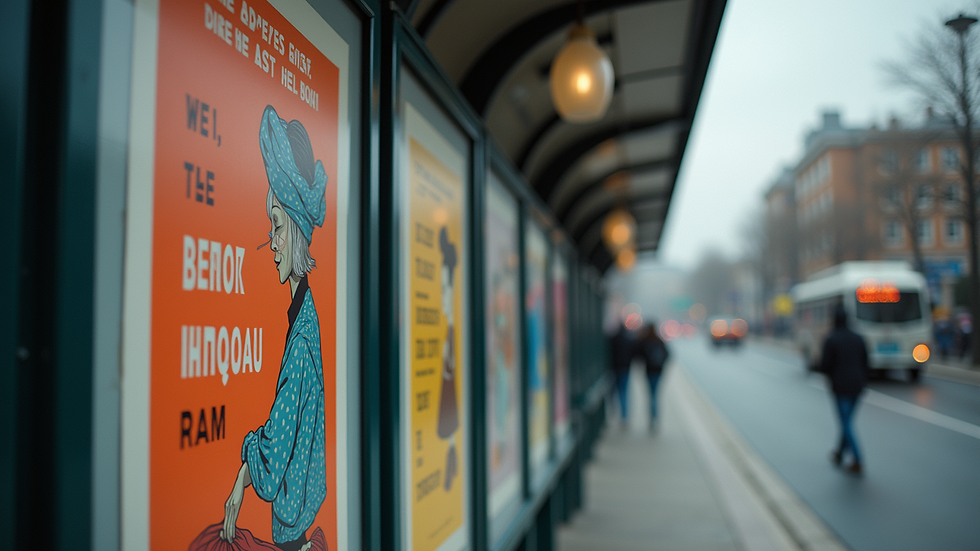
Bus stop poetry is not a new concept. It began as a grassroots movement aimed at bringing art and literature into public spaces. The idea is simple: display poems in bus shelters to engage commuters and passersby. This initiative has gained traction in various cities around the world, from New York to London, and even in smaller towns.
Why Bus Stops?
Bus stops are ideal locations for poetry for several reasons:
High Foot Traffic: They attract a diverse audience, including students, professionals, and tourists.
Captive Audience: People often wait for their buses, providing them with time to read and reflect.
Community Engagement: Local poets can share their work, fostering a sense of community and belonging.
The Creative Process Behind Bus Stop Poems
Collaboration with Local Poets
Many bus stop poetry projects involve collaboration with local poets. Communities often hold contests or open calls for submissions, allowing residents to contribute their voices. This not only democratizes art but also encourages individuals to express their thoughts and feelings through poetry.
Themes and Styles
The themes of bus stop poems can vary widely, reflecting the community's culture, struggles, and aspirations. Common themes include:
Nature: Poems that celebrate the beauty of the environment.
Identity: Works that explore personal and cultural identity.
Social Issues: Pieces that address local challenges, such as homelessness or mental health.
The Role of Visuals
In addition to the written word, many bus stop poetry projects incorporate visuals. This can include illustrations, photographs, or even mixed media. The combination of text and imagery enhances the overall impact, making the poetry more accessible and engaging.
The Impact of Bus Stop Poems on Communities
Fostering Connection
Bus stop poetry has the power to foster connections among community members. When people encounter poetry that resonates with their experiences, it can spark conversations and create bonds. This sense of connection is vital, especially in urban environments where individuals may feel isolated.
Encouraging Reflection
Poetry often invites introspection. By placing poems in public spaces, communities encourage individuals to pause and reflect on their lives and surroundings. This moment of contemplation can lead to greater awareness and appreciation of the world around them.
Inspiring Creativity
Bus stop poems can also inspire others to explore their creativity. Seeing poetry in unexpected places may motivate individuals to write their own poems, engage in artistic pursuits, or simply think more creatively in their daily lives.
Case Studies: Successful Bus Stop Poetry Projects
1. The Poetry in Motion Project (New York City)
In New York City, the Poetry in Motion project has been a staple since 1992. This initiative places poems in subway cars and bus shelters, showcasing the work of both established and emerging poets. The project has featured a diverse range of voices, making poetry accessible to millions of commuters.
2. The Bus Stop Poetry Project (London)
London's Bus Stop Poetry Project invites local poets to submit their work for display at bus stops across the city. The project aims to celebrate the rich literary heritage of London while providing a platform for contemporary voices. The poems often reflect the city's diversity and vibrancy.
3. The Poetry on the Move Initiative (Australia)
In Australia, the Poetry on the Move initiative has transformed bus stops into poetry hubs. This project encourages local schools to participate, allowing students to showcase their poetry. The initiative not only promotes literacy but also engages young people in the arts.
How to Get Involved in Bus Stop Poetry
Start a Local Project
If you're inspired by the idea of bus stop poetry, consider starting a project in your community. Here are some steps to get started:
Gather Support: Reach out to local poets, schools, and community organizations to gauge interest.
Choose a Theme: Decide on a theme that resonates with your community.
Organize Submissions: Create a submission process for local poets to share their work.
Design and Display: Work with local artists to design visually appealing displays for the poems.
Promote the Project: Use social media, local newspapers, and community events to promote the project and encourage participation.
Participate as a Poet
If you're a poet, consider submitting your work to existing bus stop poetry projects. This is a fantastic opportunity to share your voice with a wider audience and contribute to your community's artistic landscape.
The Broader Implications of Public Poetry
Art as a Tool for Change
Public poetry, including bus stop poems, serves as a powerful tool for social change. By addressing pressing issues and sparking dialogue, poetry can inspire action and foster understanding. It encourages individuals to think critically about their surroundings and the world at large.
The Importance of Accessibility
Making poetry accessible to everyone is crucial. Public displays, such as those at bus stops, break down barriers and invite people from all walks of life to engage with literature. This accessibility is essential for nurturing a vibrant cultural landscape.
Conclusion: Embracing Creativity in Everyday Life
Bus stop poems remind us that creativity can flourish in the most unexpected places. By transforming ordinary waiting times into moments of inspiration, these poems foster connection, reflection, and artistic expression. Whether you’re a poet, a reader, or simply someone waiting for a bus, take a moment to appreciate the creativity around you.
As you navigate your daily life, consider how you can embrace creativity in your own way. Whether through writing, art, or simply observing the world, there are countless opportunities to express yourself and connect with others. So next time you find yourself at a bus stop, take a moment to read a poem and let it inspire you.

Comments